





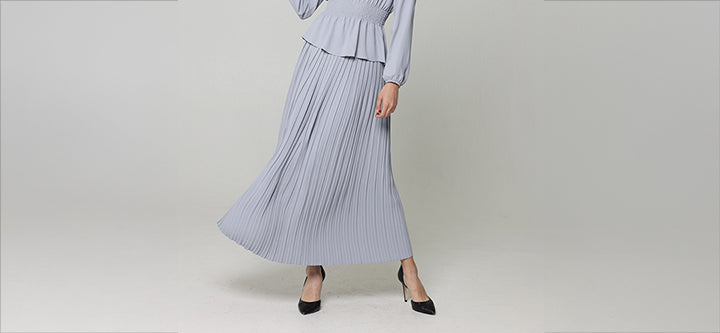


There is a reason black never goes out of style.
Fashion may declare chocolate brown, butter yellow, or cobalt blue the color of the moment, but black quietly remains in our closets through all of them. It is elegant, flattering, practical, and endlessly versatile. But black wasn't always simply a chic fashion choice. Its journey through history is surprisingly colorful.
From Mourning to Status
Across cultures, black has carried very different meanings. In much of Europe, it became strongly associated with mourning and solemnity, particularly as elaborate mourning customs developed over the centuries. Queen Victoria famously wore black for decades after the death of Prince Albert, strengthening its association with grief in the Western imagination.

Yet black also represented wealth and power. Historically, producing a rich, deep black dye that wouldn't fade was difficult and expensive. In Renaissance Europe, luxurious black clothing became fashionable among aristocrats, merchants, and members of royal courts. A beautifully dyed black garment could quietly announce status without needing brilliant color.
Black has held important meanings elsewhere too. In the Muslim world, black has appeared in religious, political, and cultural traditions for centuries. The Abbasid dynasty famously adopted black as its dynastic color. Today, black abayas remain an instantly recognizable part of dress in parts of the Arabian Peninsula, although Muslim clothing traditions around the world encompass virtually every color imaginable.

In many East Asian traditions, black has carried associations ranging from dignity and formality to water and the natural world, depending on the place and period.
In other words, black has never meant just one thing.
Then Along Came the Little Black Dress
Black's modern fashion transformation accelerated in the early 20th century.
In 1926, American Vogue published an illustration of a simple black Chanel dress and compared its potential ubiquity to the Ford automobile. The idea was revolutionary: black didn't have to be reserved for mourning, servants, or formal occasions. It could be modern, practical, and sophisticated.

Over the decades, Hollywood helped cement the idea. Black became associated with movie stars, evening gowns, tuxedos, artists, intellectuals, and eventually that magical wardrobe solution we still rely on today: the little black dress.
For modest dressers, perhaps we should call it the long black dress. Just as useful. Much more fabric.
The Modest Fashion Black Dilemma
Black works particularly well for modest fashion because it creates a beautiful uninterrupted line. A flowing black abaya, maxi dress, tunic, or wide-leg trouser can look incredibly sophisticated.
The challenge is that when you're wearing long sleeves, longer hems, and multiple layers, that's a lot of black.
The solution isn't necessarily to wear less of it. It's to give black some life.
Start With Texture
An all-black outfit becomes much more interesting when different textures meet. Pair smooth trousers with an textured lace tunic, a flowing chiffon dress with chunky embroidery, or crisp cotton with a softly draped hijab.
Pleating, eyelet, embroidery, crinkle fabrics, lace, and jacquard all reflect light differently, breaking up a monochromatic outfit without taking away its elegance.
 Add One Happy Color
Black is possibly the world's best backdrop for color.
Try magenta, coral, emerald, cobalt, or even a soft powder blue. A colorful hijab against a black dress can completely change the mood without requiring you to rethink the entire outfit.
If bright color isn't your style, try camel, cream, blush, or warm taupe for a softer contrast.

Bring in Prints
A floral tunic, patterned duster, or embroidered jacket can turn a basic black foundation into something wonderfully expressive.
This is one reason black pieces earn their place in a capsule wardrobe. The same black tunic can look completely different depending on what you put on it.

Don't Forget Proportion
With modest clothing, an outfit can feel heavy when every piece is simultaneously long, dark, and voluminous.
Balance a flowing skirt or wide-leg pant with a cleaner top. If you're wearing an oversized tunic or dramatic abaya, keep the layers beneath it simple.
Modesty doesn't require shapelessness. Thoughtful proportion creates movement and lets the clothing breathe visually.

Add a Little Light
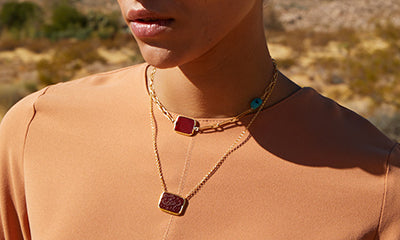
Jewelry is particularly beautiful against black. Gold against black is a show-stopper, while silver or pearls create a crisp, elegant contrast.

For daytime, try natural accessories such as a woven bag, tan sandals, or textured leather. They immediately make black feel more relaxed.

And don't underestimate your hijab. A beautiful print or softly colored scarf sitting close to the face can be all an outfit needs.

Why We Still Love Black
Perhaps black has endured because it has an unusual ability to adapt.
Across centuries it has represented mourning, authority, humility, luxury, rebellion, sophistication, and simplicity. Its meaning changes depending on who is wearing it and how.
And that's exactly what makes it so useful today.
A black maxi dress can be solemn, certainly. But add a joyful printed hijab and sandals and it becomes relaxed. Add embroidery and jewelry and it becomes celebratory. Add sneakers and denim and it becomes casual.
Black doesn't have to determine the mood of your outfit. Think of it instead as your canvas. Add texture, movement, heritage, color, or a little sparkle, and make it entirely your own.
After all, black has spent centuries reinventing itself.
There's no reason we can't have a little fun with it too.

Laissez un commentaire